The forest products industry is witnessing a transformative shift toward biomass recovery systems that turn waste into valuable resources. This comprehensive case study examines how Pacific Northwest Timber Solutions successfully implemented advanced biomass recovery technology, achieving remarkable improvements in both environmental sustainability and operational profitability. Their journey demonstrates the tangible benefits of investing in modern wood processing machinery and illustrates why forward-thinking companies are embracing these innovative solutions.
Company background and initial challenges
Pacific Northwest Timber Solutions, a family-owned forestry operation based in Oregon, faced mounting pressure from escalating waste disposal costs and increasingly stringent environmental regulations. With over 50 years in the timber industry, the company processed approximately 15,000 tons of timber annually, generating substantial amounts of bark, sawdust, and wood chips that were previously considered waste products.
The primary challenges included rising landfill fees that consumed nearly 12% of their operational budget, limited storage space for accumulated wood residues, and growing regulatory pressure to reduce their environmental footprint. Additionally, the company recognized an untapped opportunity to diversify revenue streams by transforming waste materials into marketable products.
Traditional waste management methods were proving increasingly costly and unsustainable. The company’s leadership team began exploring biomass recovery equipment options that could address these challenges while positioning them for long-term growth in an evolving market landscape.
Biomass recovery implementation strategy and equipment selection
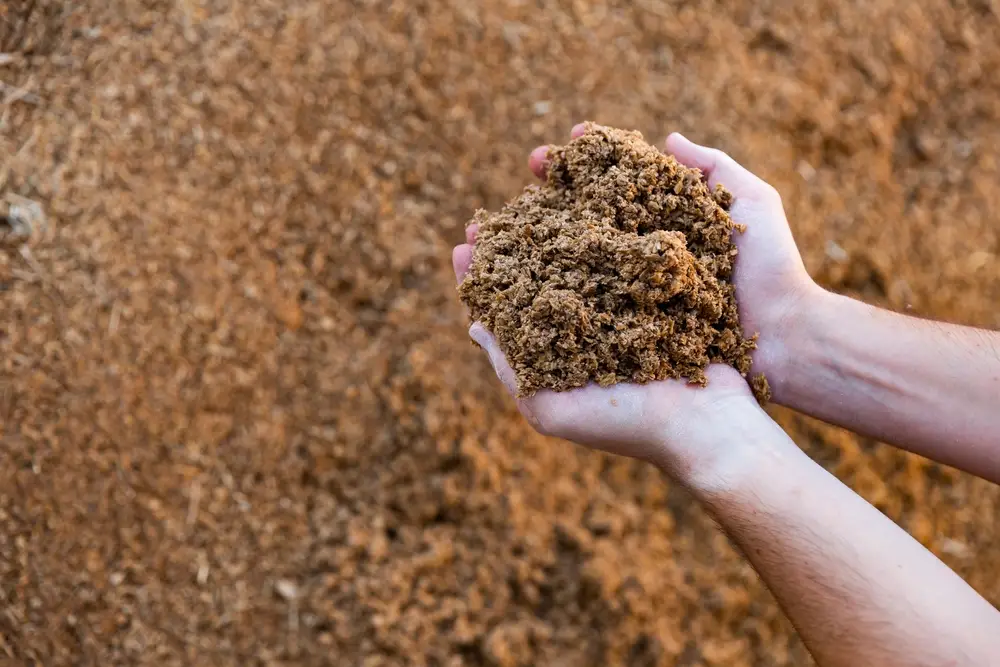
After extensive research and consultation with industry experts, Pacific Northwest Timber Solutions partnered with leading equipment manufacturers to implement a comprehensive biomass recovery system. The implementation strategy focused on three core components: advanced mulching technology, automated sorting systems, and integrated processing machinery.
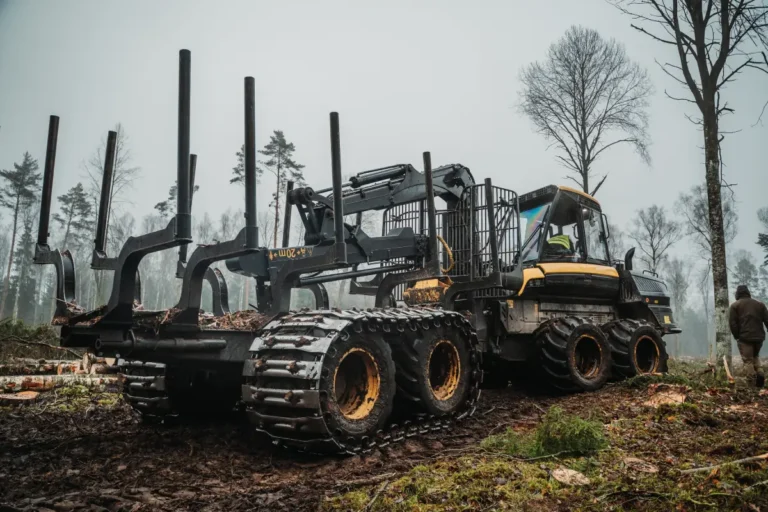
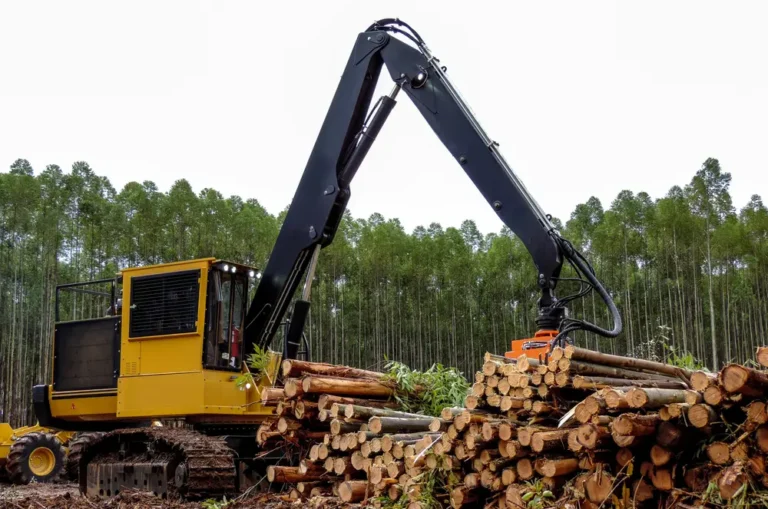
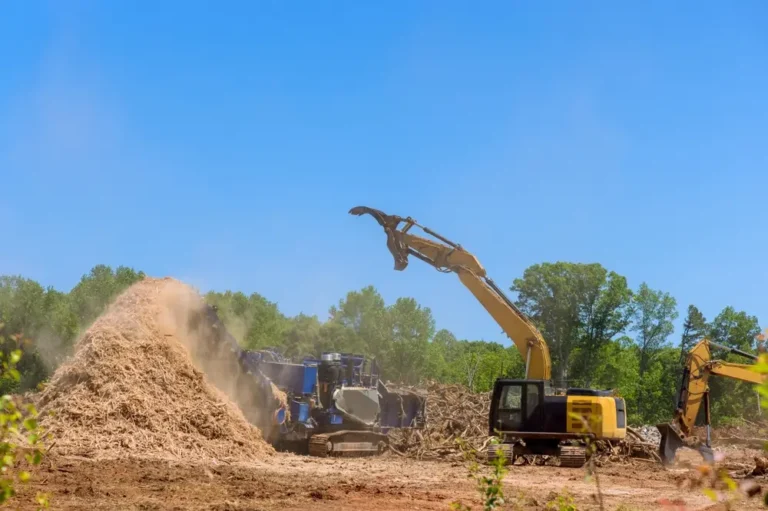
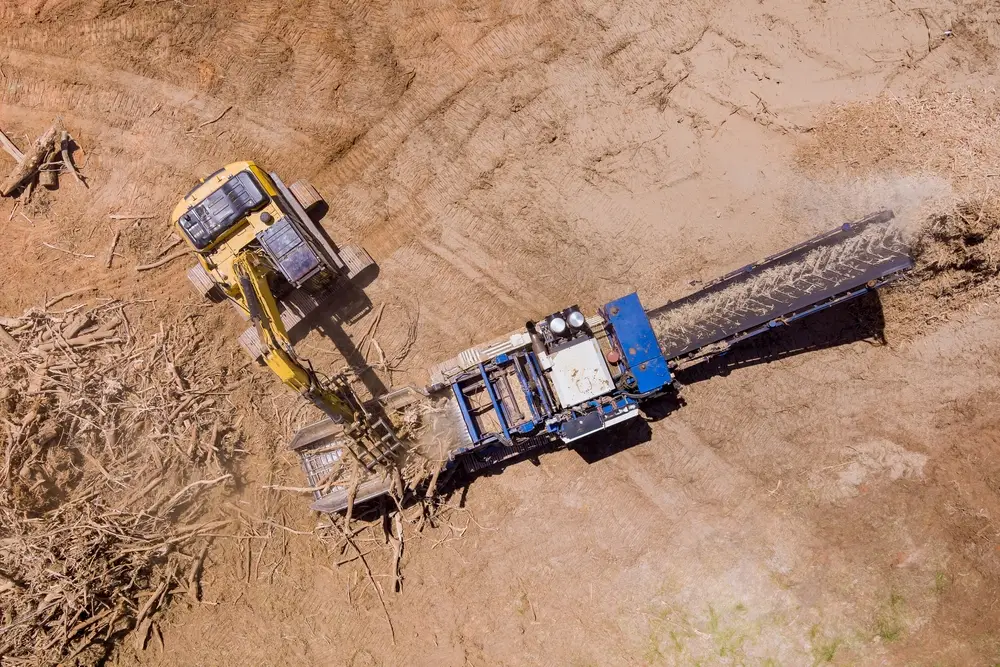
The company invested in high-capacity forestry mulchers capable of processing diverse wood residues into uniform biomass products. These machines featured cutting-edge mulching heads designed for maximum efficiency and minimal energy consumption. The automated sorting systems separated materials based on size and quality, ensuring optimal product consistency.
- Installation of twin-rotor mulching systems with variable speed control
- Integration of magnetic separation technology for metal debris removal
- Implementation of dust collection systems for air quality management
- Addition of conveyor systems for streamlined material handling
The implementation timeline spanned six months, including equipment installation, staff training, and system optimization. The company worked closely with equipment manufacturers to ensure seamless integration with existing operations while minimizing production disruptions.
Measurable sustainability outcomes and environmental impact
The biomass recovery implementation delivered impressive environmental benefits that exceeded initial projections. Within the first year of operation, Pacific Northwest Timber Solutions achieved a 78% reduction in waste sent to landfills, dramatically decreasing their environmental footprint and demonstrating their commitment to sustainable forestry practices.
Carbon footprint reduction became a significant achievement, with the company preventing approximately 2,400 tons of CO2 equivalent emissions annually through waste diversion and biomass utilization. The recovered biomass materials replaced fossil fuel consumption in local heating applications, contributing to broader regional sustainability goals.
Water usage optimization resulted from improved processing efficiency, reducing water consumption by 23% through closed-loop systems and enhanced filtration technology. The company also eliminated chemical treatments previously required for waste preservation, further reducing environmental impact.
Biodiversity conservation improved through reduced pressure on natural forest resources, as recovered biomass materials substituted for virgin wood products in various applications. The company’s sustainability metrics showed consistent improvement across all measured categories, positioning them as an industry leader in environmental stewardship.
Financial performance and profitability analysis
The economic impact of biomass recovery equipment investment proved substantial, with Pacific Northwest Timber Solutions achieving full return on investment within 18 months. Initial capital investment of $850,000 generated annual cost savings and new revenue streams totaling over $580,000.
Direct cost savings included waste disposal fee reductions of $145,000 annually, transportation cost decreases of $67,000, and storage facility requirement reductions saving $38,000 yearly. These immediate savings significantly improved operational cash flow and reduced overhead expenses.
New revenue generation exceeded expectations through diversified product offerings. The company established contracts with local biomass power plants, generating $185,000 in annual revenue from materials previously considered waste. Additional income streams emerged from premium mulch products sold to landscaping companies and agricultural operations.
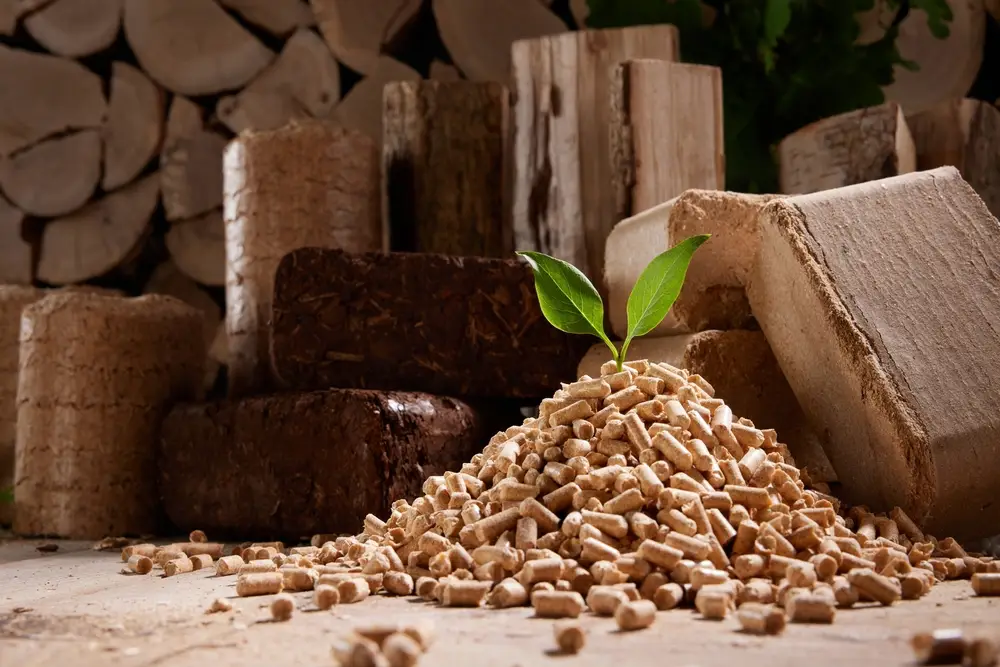
- Biomass fuel pellet production: $145,000 annual revenue
- Premium landscaping mulch sales: $98,000 annual revenue
- Agricultural bedding materials: $52,000 annual revenue
- Specialized biomass products: $43,000 annual revenue
Market positioning improvements resulted from enhanced sustainability credentials, attracting environmentally conscious customers willing to pay premium prices for responsibly sourced products. The company’s competitive advantage strengthened through operational efficiency gains and cost structure optimization.
Operational efficiency improvements and lessons learned
Beyond financial and environmental benefits, the biomass recovery implementation transformed operational workflows and employee productivity. Processing capacity increased by 34% through streamlined material handling and automated systems, while labor requirements decreased through mechanization of previously manual tasks.
Equipment reliability exceeded expectations, with advanced forestry mulchers and processing machinery maintaining 96% uptime during the first operational year. Preventive maintenance programs and operator training contributed to optimal equipment performance and longevity.
Key lessons learned included the importance of comprehensive staff training, proactive maintenance scheduling, and continuous process optimization. The company discovered that employee engagement increased significantly when workers understood the environmental and economic benefits of their enhanced operations.
Integration challenges primarily involved coordinating new equipment with existing systems, requiring careful planning and phased implementation. The company recommends thorough site preparation and electrical infrastructure upgrades to maximize equipment performance and minimize installation delays.
Scalability potential became apparent as demand for biomass products continued growing, leading the company to plan additional equipment investments and capacity expansions. Their success demonstrates the viability of biomass recovery systems for operations of various sizes and specializations.
This case study clearly demonstrates that strategic investment in biomass recovery technology delivers measurable benefits across sustainability, profitability, and operational efficiency metrics. Companies considering similar implementations can learn from Pacific Northwest Timber Solutions’ experience and adapt their approach to specific operational requirements. For detailed information about advanced wood processing machinery and biomass recovery equipment that can transform your forestry operations, visit our comprehensive resource center at Timber Processor Depot and discover how innovative solutions can enhance your business performance while supporting environmental stewardship goals.