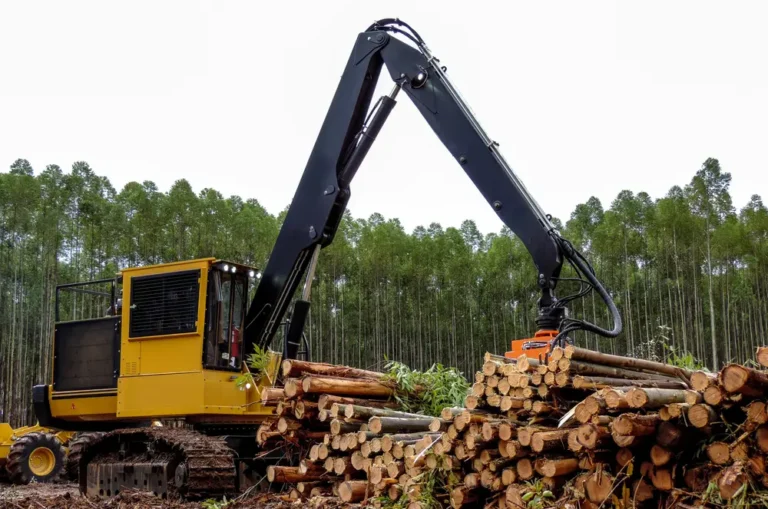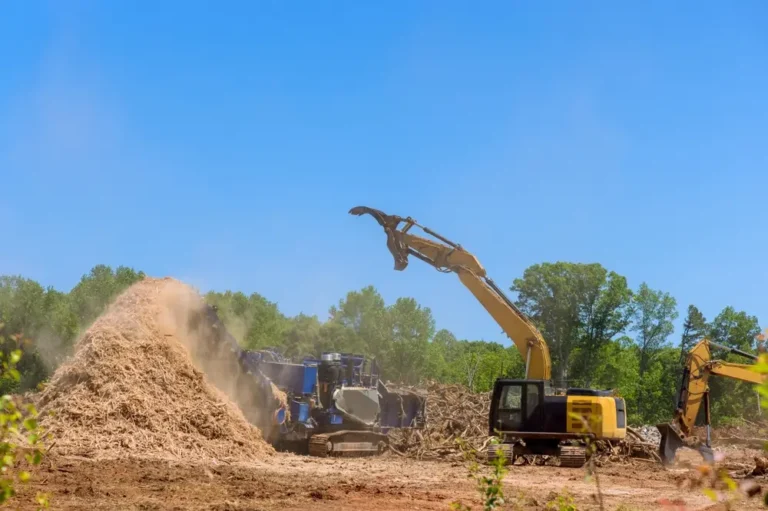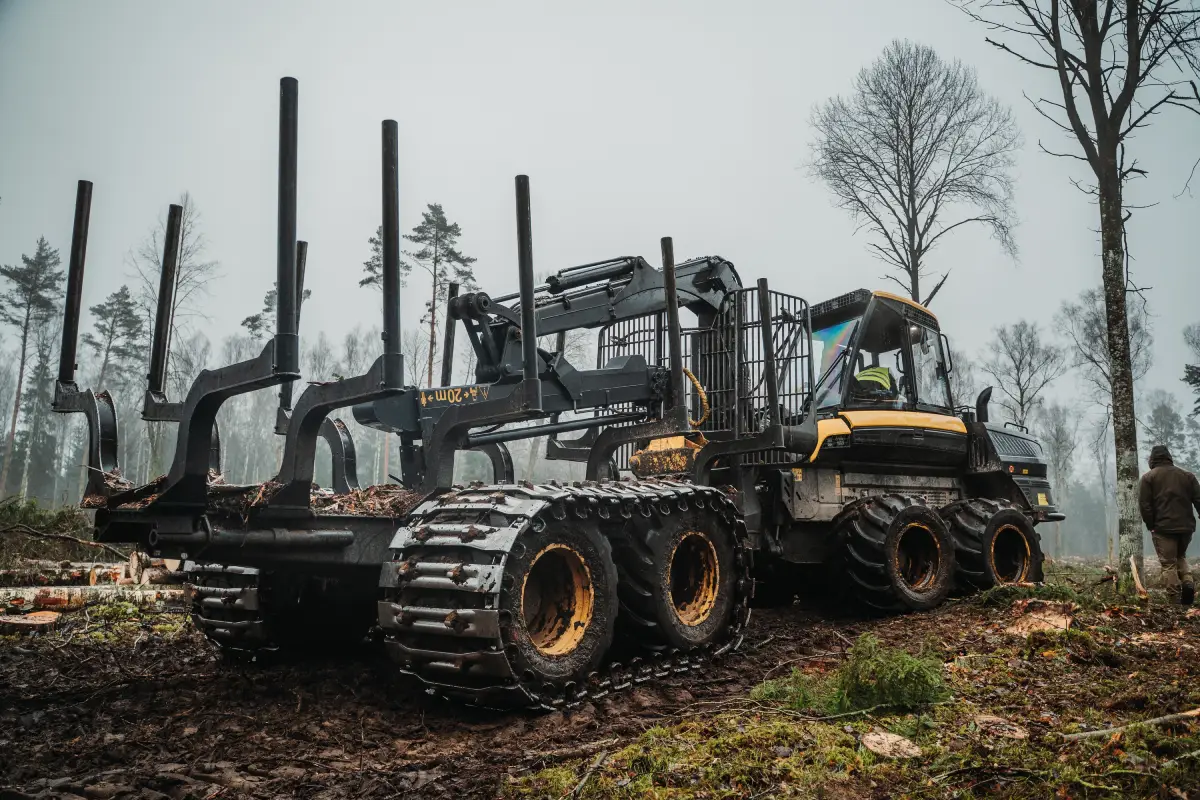
The forestry industry stands at the crossroads of tradition and innovation, where cutting-edge technology is transforming modern forestry practices at an unprecedented pace. From precision harvesting equipment to advanced biomass processing systems, technological advancements are revolutionizing how forestry professionals approach timber processing, land clearing, and vegetation management. This digital transformation is not merely about replacing old tools with new ones—it represents a fundamental shift toward more efficient, sustainable, and data-driven forestry operations that balance productivity with environmental stewardship.
Advanced machinery revolutionizing timber processing operations
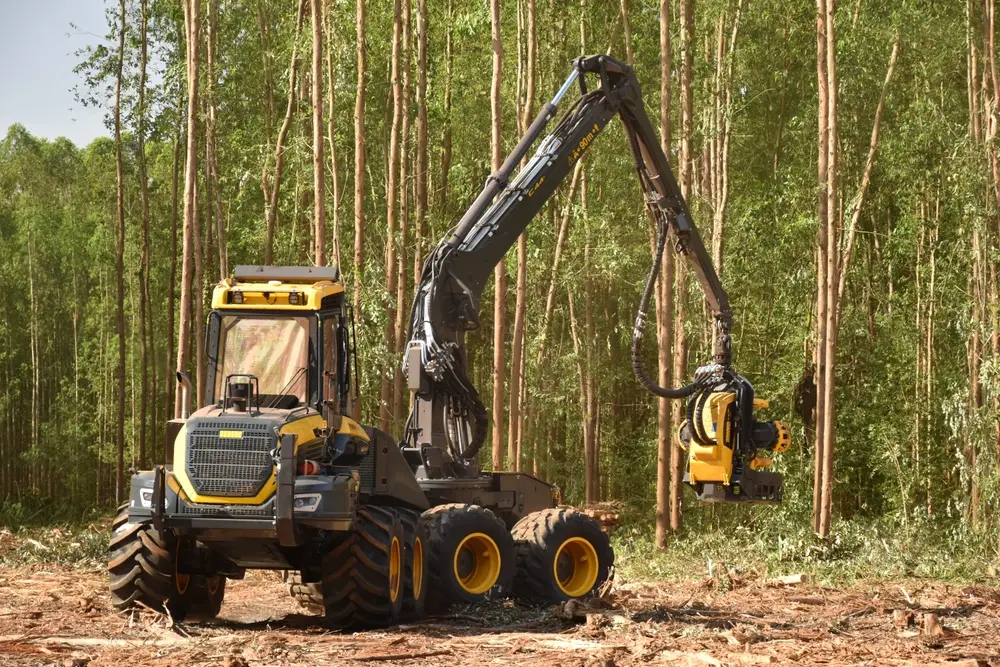
Modern timber processing has evolved dramatically with the introduction of sophisticated machinery that combines power, precision, and environmental consciousness. Today’s forestry mulchers and processing equipment feature computerized controls, GPS integration, and real-time monitoring systems that optimize performance while minimizing waste.
High-capacity mulching heads now incorporate variable-speed controls and adaptive cutting systems that automatically adjust to different wood densities and vegetation types. These intelligent systems can process everything from small brush to large timber with remarkable efficiency, transforming what was once a labor-intensive process into a streamlined operation.
The latest biomass recovery equipment utilizes advanced screening and separation technologies that maximize the value extracted from wood residues. These systems can sort materials by size, moisture content, and quality, ensuring that every piece of processed wood finds its optimal end use—whether for energy production, manufacturing, or soil enhancement.
Digital integration enhancing operational efficiency
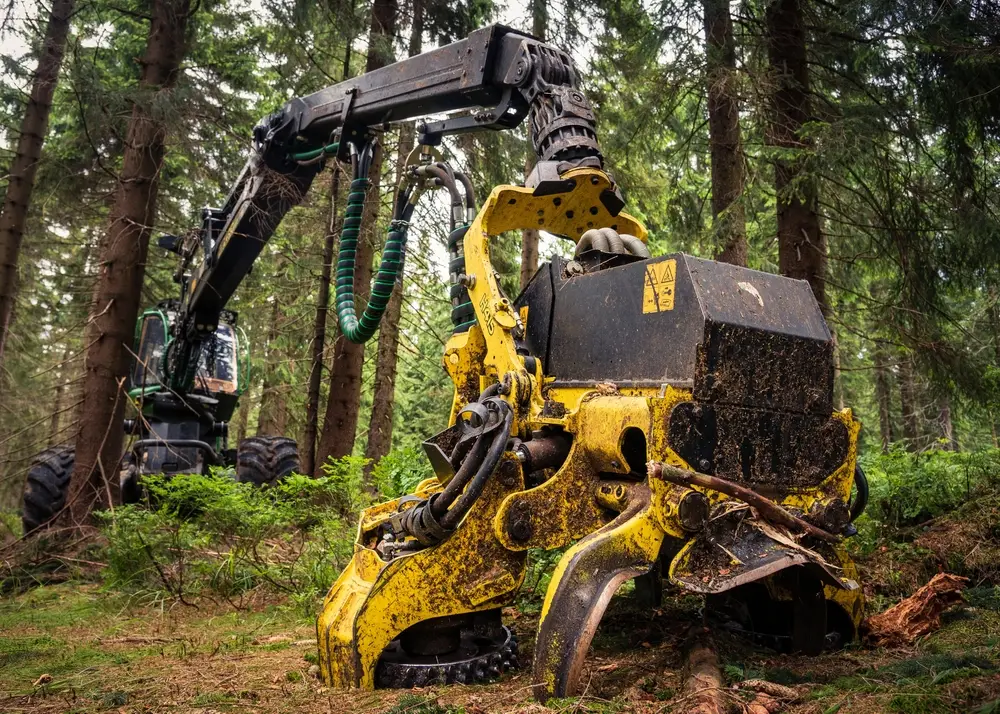
The integration of digital technologies has fundamentally changed how forestry operations are planned, executed, and monitored. GPS-guided machinery ensures precise positioning and optimal path planning, reducing fuel consumption and minimizing environmental impact while maximizing coverage efficiency.
Real-time data collection systems provide operators with instant feedback on machine performance, productivity metrics, and maintenance needs. This information enables proactive decision-making and prevents costly downtime through predictive maintenance scheduling.
- Automated mapping systems that create detailed operational records
- Remote monitoring capabilities for fleet management
- Performance analytics that identify optimization opportunities
- Integration with weather data for optimal timing decisions
Mobile applications now allow forestry professionals to access equipment manuals, troubleshooting guides, and operational data directly from the field, reducing response times and improving problem-solving capabilities.
Sustainable forest management through innovative solutions
Technology is playing a crucial role in advancing sustainable forest management practices that protect ecosystems while maintaining productive operations. Modern equipment designs focus on minimizing soil compaction, preserving water quality, and reducing emissions through improved engine efficiency and alternative fuel capabilities.
Precision forestry techniques use satellite imagery and drone technology to assess forest health, identify optimal harvesting zones, and monitor regeneration progress. These tools enable forest managers to make informed decisions that support long-term forest sustainability while meeting immediate operational needs.
Advanced mulching and processing equipment can now handle a wider variety of materials, including invasive species and diseased trees, converting these challenges into valuable biomass resources. This approach transforms forest management problems into economic opportunities while supporting ecosystem health.
Environmental monitoring and compliance
Automated environmental monitoring systems integrated into modern forestry equipment track emissions, noise levels, and operational impacts in real-time. This data supports regulatory compliance while demonstrating commitment to environmental responsibility.
Smart sensors can detect and alert operators to sensitive areas, such as wildlife habitats or water sources, ensuring that operations maintain appropriate buffer zones and follow environmental protocols without constant manual oversight.
Future innovations shaping forestry technology
The forestry industry continues to embrace emerging technologies that promise even greater efficiency and sustainability. Artificial intelligence and machine learning are beginning to optimize cutting patterns, predict equipment maintenance needs, and enhance safety protocols through automated hazard detection.
Electric and hybrid powertrains are becoming increasingly viable for forestry equipment, offering reduced emissions and lower operating costs while maintaining the power needed for demanding applications. Battery technology improvements and charging infrastructure development are accelerating this transition.
Autonomous and semi-autonomous equipment represents the next frontier in forestry technology. These systems will enable 24/7 operations in appropriate conditions while reducing operator fatigue and improving safety in challenging environments.
Integration with renewable energy systems
Modern forestry operations are increasingly incorporating renewable energy systems, using biomass produced on-site to power equipment and facilities. This closed-loop approach reduces dependence on external energy sources while maximizing the value of processed materials.
Energy storage systems and smart grid integration allow forestry operations to contribute excess renewable energy back to local power networks, creating additional revenue streams while supporting community sustainability goals.
Training and adaptation in the technological era
As technology transforms modern forestry practices, workforce development becomes increasingly important. Training programs now emphasize digital literacy alongside traditional forestry skills, ensuring operators can effectively utilize advanced equipment features and data systems.
Virtual reality and simulation technologies are revolutionizing forestry education, allowing trainees to practice complex operations in safe, controlled environments before working with actual equipment. These tools accelerate learning while reducing training costs and safety risks.
Continuous learning platforms provide ongoing education opportunities, helping forestry professionals stay current with evolving technologies and best practices throughout their careers.
The technological transformation of forestry practices represents an unprecedented opportunity to achieve greater efficiency, sustainability, and profitability in forest management operations. By embracing these innovations, forestry professionals can meet growing demand for wood products and land clearing services while supporting environmental conservation goals. To explore how advanced forestry equipment and technology solutions can enhance your operations, visit our comprehensive resource center and connect with industry experts who can guide you toward optimal equipment selections for your specific needs.