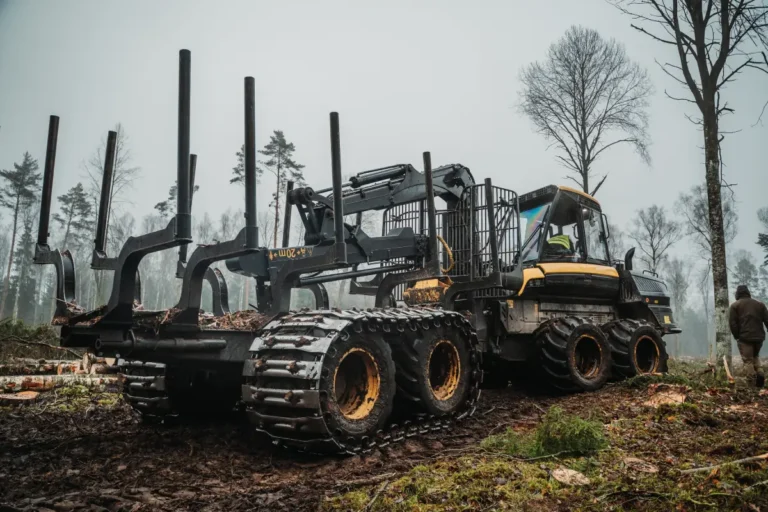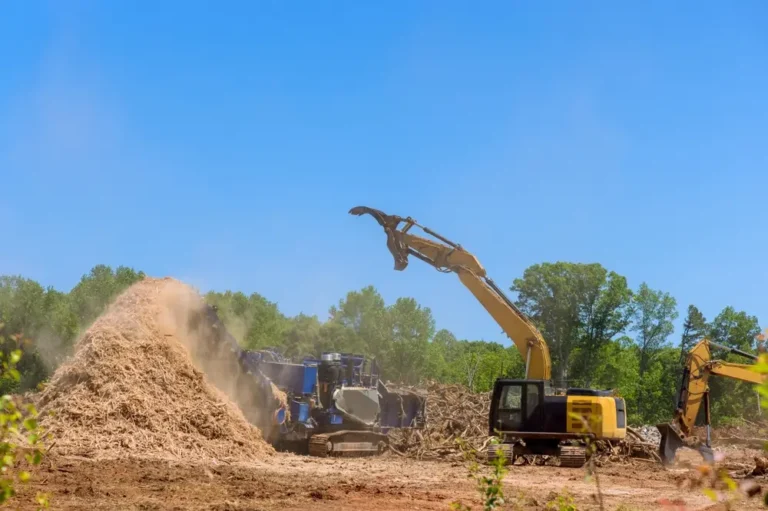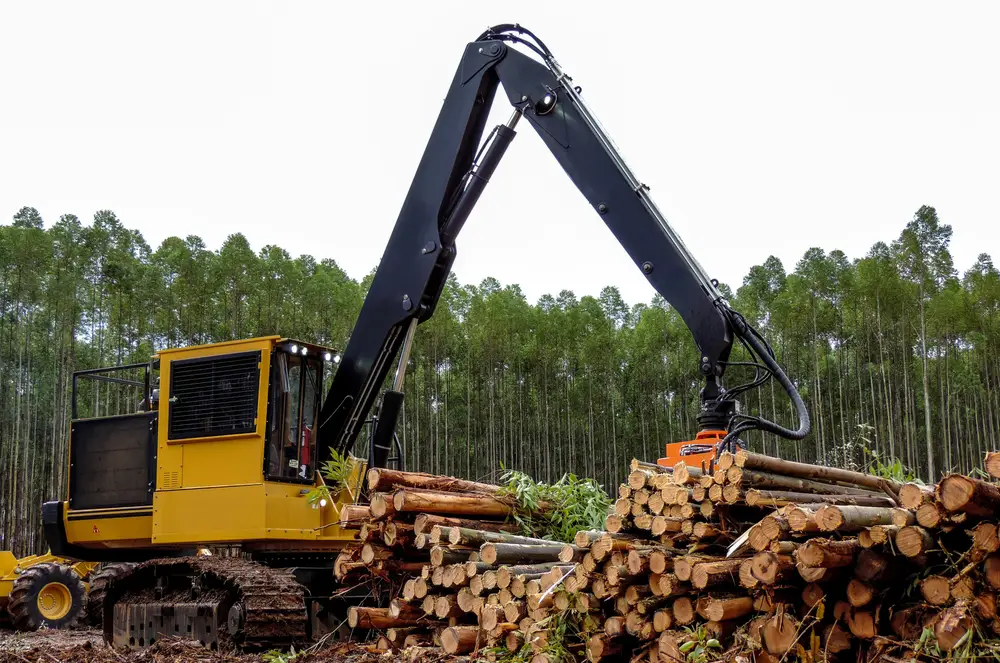
Selecting the right forestry equipment can make or break your operational success, yet many professionals struggle to decipher the technical jargon buried within equipment specifications. Understanding these critical details isn’t just about comparing numbers—it’s about making informed decisions that directly impact productivity, safety, and your bottom line. Whether you’re evaluating mulching heads, timber processors, or biomass recovery systems, mastering the art of reading technical specifications will transform you from a casual buyer into a strategic equipment investor.
Decoding power and performance specifications for optimal equipment selection
The heart of any forestry equipment lies in its power specifications, but raw horsepower numbers tell only part of the story. When evaluating timber processors or mulching equipment, focus on the power-to-weight ratio, which determines how efficiently the machine converts energy into productive work. A 300-horsepower mulcher weighing 8,000 pounds delivers different performance than one weighing 12,000 pounds, even with identical engine specifications.
Torque curves provide crucial insights into how equipment performs across different operating conditions. Peak torque at lower RPMs indicates superior performance in heavy-duty applications like clearing dense vegetation or processing hardwood timber. Additionally, examine the hydraulic system specifications—flow rates measured in gallons per minute (GPM) and operating pressure in PSI directly correlate to attachment responsiveness and cycle times.
Don’t overlook auxiliary hydraulic capacity when evaluating carriers for mulching heads or processing attachments. Insufficient hydraulic flow creates bottlenecks that reduce overall productivity, while excessive capacity may indicate oversized, less fuel-efficient systems that increase operating costs unnecessarily.
Understanding cutting and processing capabilities through technical data
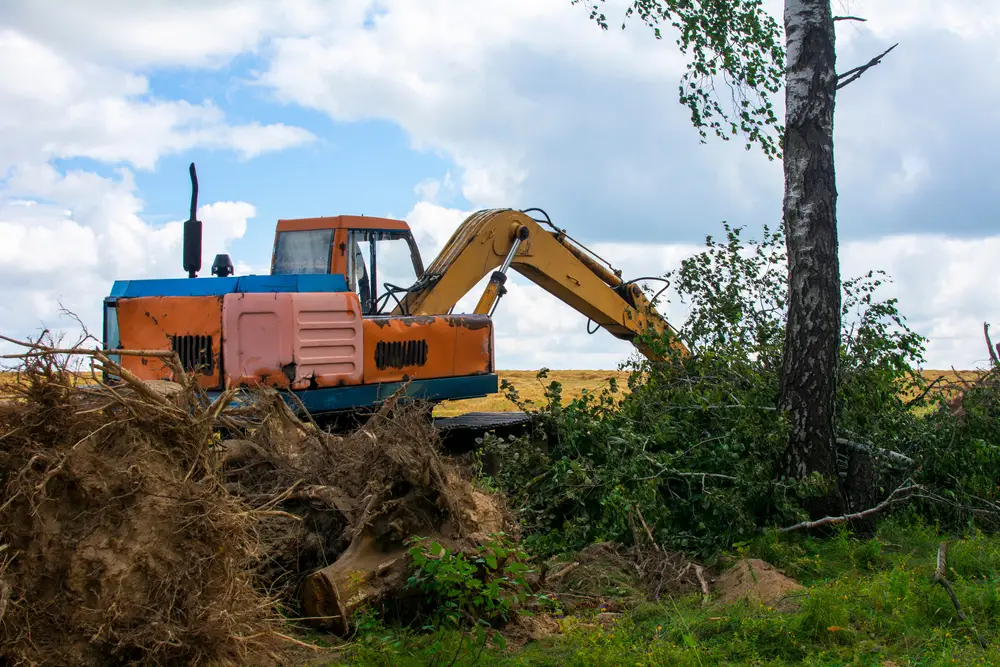
Technical specifications reveal the true cutting capabilities of forestry equipment through measurable parameters that directly impact job performance. For mulching heads, examine the rotor diameter, tip speed, and cutting width to understand processing capacity. Larger rotors generate higher tip speeds, enabling efficient processing of larger diameter material, while cutting width determines how much ground coverage you achieve per pass.
Tooth configuration specifications deserve careful attention when selecting mulching equipment. Fixed tooth systems excel in rocky conditions but require more frequent replacement, while carbide-tipped options offer extended wear life in clean wood applications. The spacing between cutting elements, measured in inches, determines the final product size—critical for biomass applications where consistent chip size affects downstream processing.
For timber processors, examine the delimbing knife specifications, feed roller dimensions, and maximum log diameter capacity. These parameters define the range of timber species and sizes your equipment can handle efficiently. Feed roller pressure specifications indicate grip strength on different bark textures, while delimbing force ratings determine clean processing of varying branch densities.
Evaluating mobility and operational flexibility through spec sheets
Mobility specifications directly impact your equipment’s versatility across different job sites and terrain conditions. Ground pressure measurements, expressed in pounds per square inch (PSI), determine where your equipment can operate without causing soil damage or getting stuck. Track-mounted units typically distribute weight more evenly than wheeled alternatives, enabling work in sensitive areas or soft ground conditions.
Transportation dimensions become critical when moving equipment between job sites. Overall width, height, and length specifications must comply with local transportation regulations, while removable components can reduce transport complexity. Some forestry mulchers feature folding or removable cutting heads that significantly reduce transport width, eliminating expensive oversized load permits.
Operating reach and working envelope specifications define your equipment’s productivity potential. Boom reach, swing radius, and maximum lift height determine how effectively you can access material without repositioning the carrier. Extended reach capabilities reduce setup time and improve efficiency in selective harvesting or precision land clearing applications.
Analyzing durability and maintenance requirements from technical documentation
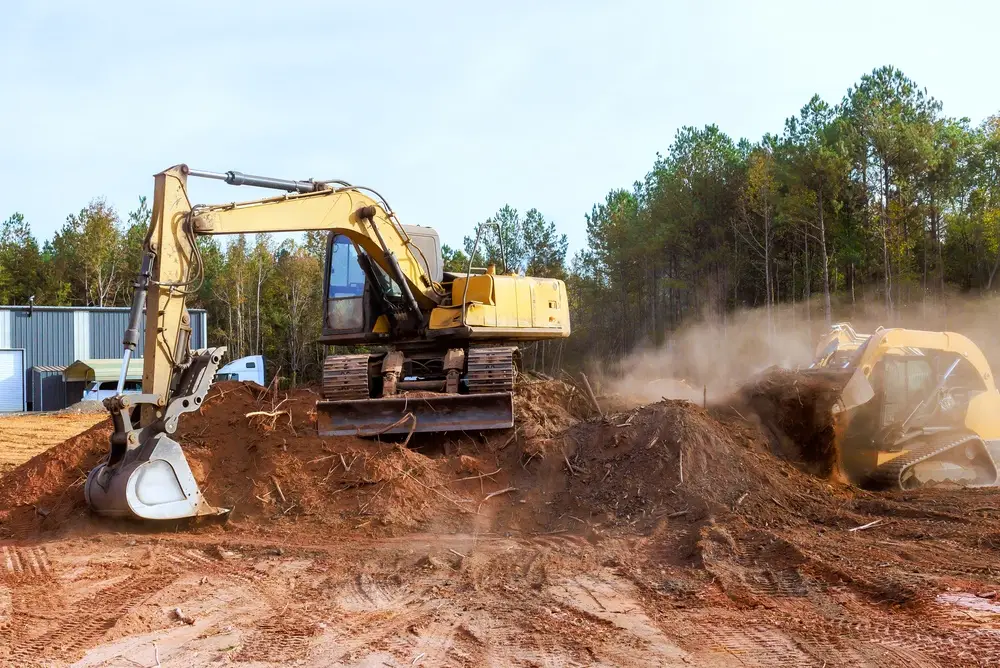
Durability specifications provide insights into long-term ownership costs that often exceed initial equipment prices. Frame construction details, including steel thickness and welding specifications, indicate structural integrity under demanding conditions. Look for reinforced wear plates, replaceable cutting edges, and hardened surfaces in high-wear areas—these features extend operational life and reduce maintenance frequency.
Service accessibility specifications reveal how efficiently you can perform routine maintenance tasks. Filter locations, grease point accessibility, and component replacement procedures directly impact downtime duration. Equipment designed with maintenance efficiency in mind features centrally located service points, easy-access panels, and quick-disconnect systems that minimize service time.
Lubrication system specifications indicate maintenance intervals and requirements. Automatic lubrication systems reduce manual labor while ensuring consistent component protection, but add complexity and potential failure points. Manual systems require more attention but offer greater control over maintenance schedules and costs.
Making informed purchasing decisions using comprehensive spec analysis
Successful equipment selection requires comparing specifications against your specific operational requirements rather than simply seeking the highest numbers. Create a requirements matrix that weights different specification categories based on your priorities—processing volume, terrain conditions, transport requirements, and budget constraints all influence the ideal specification balance.
Consider total cost of ownership when analyzing specifications. Higher initial costs for premium components often deliver superior long-term value through reduced maintenance, improved fuel efficiency, and extended operational life. Calculate operating costs per productive hour using fuel consumption specifications, maintenance intervals, and expected component replacement schedules.
Validate critical specifications through field demonstrations or rental periods before making final purchasing decisions. Real-world performance sometimes differs from laboratory specifications due to varying operating conditions, operator skill levels, and maintenance practices.
Understanding technical specifications empowers you to make equipment decisions based on data rather than marketing claims, ultimately leading to improved operational efficiency and profitability. Ready to explore equipment options that match your specific requirements? Contact our forestry equipment specialists at Timber Processor Depot to discuss how the right specifications can optimize your operations and discover machinery solutions tailored to your unique needs.