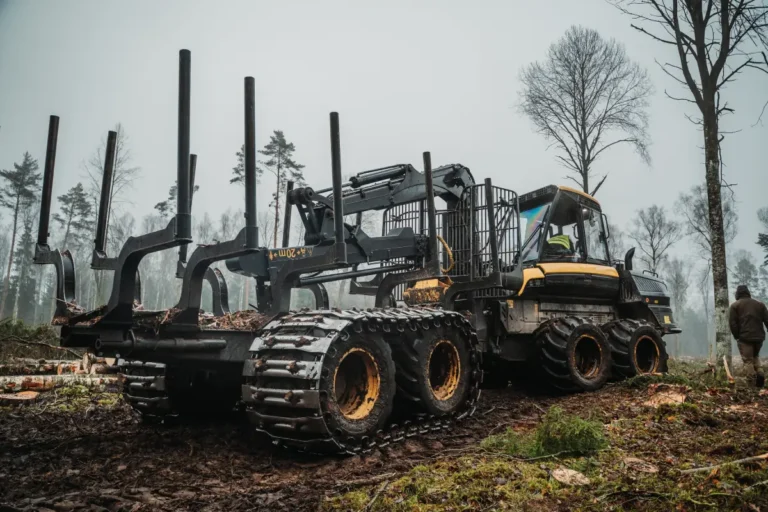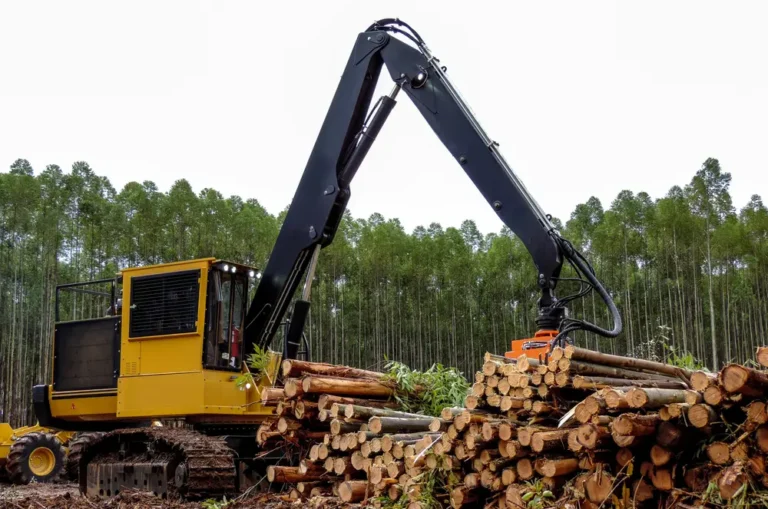
The forestry industry is experiencing a revolutionary transformation as biomass recovery equipment evolves to meet growing demands for sustainable resource management. With millions of tons of wood waste generated annually from logging operations, land clearing, and forest maintenance, innovative technologies are now enabling professionals to convert what was once considered waste into valuable renewable resources. These cutting-edge solutions not only maximize operational efficiency but also contribute to environmental sustainability while creating new revenue streams for forestry contractors and landowners.
Advanced processing technologies revolutionizing wood waste conversion
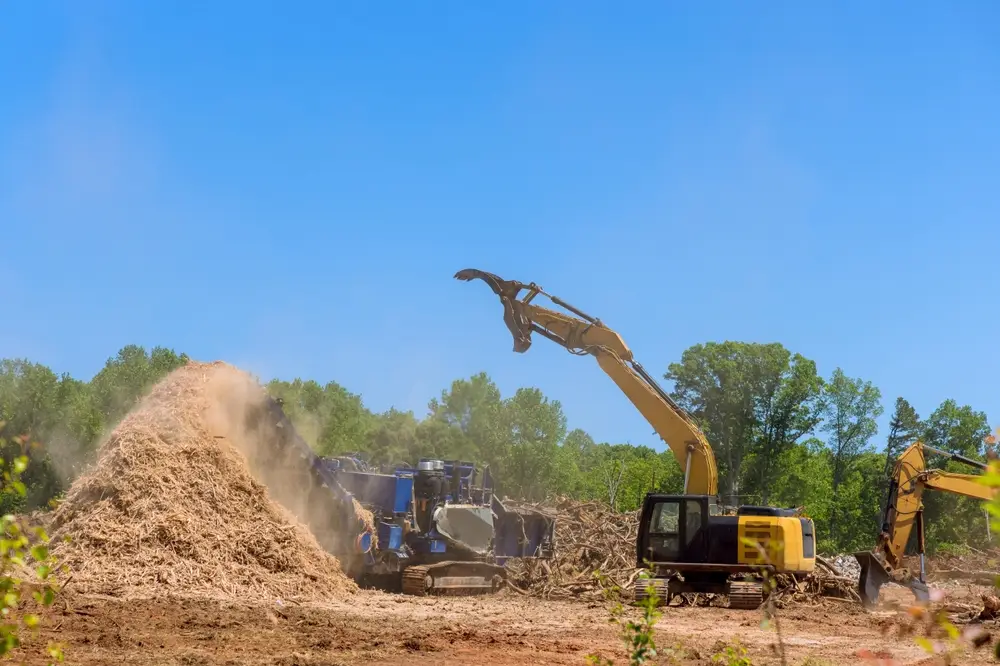
Modern biomass recovery equipment incorporates sophisticated engineering principles that dramatically improve processing capabilities. High-capacity chippers equipped with variable feed systems can now handle diverse wood materials, from small branches to large diameter logs, with unprecedented efficiency. These machines feature intelligent control systems that automatically adjust cutting parameters based on material characteristics, ensuring consistent chip quality while minimizing energy consumption.
Portable biomass processors have emerged as game-changers for on-site operations. These compact yet powerful units can be transported directly to harvest sites, eliminating costly material transportation and reducing project timelines. Smart processing technologies integrated into these systems include moisture content sensors, automated sizing controls, and real-time performance monitoring that optimize output quality for specific end-use applications.
Multi-stage processing systems represent another significant advancement, combining primary chipping with secondary screening and refinement. These integrated solutions produce multiple biomass products simultaneously, including wood chips for energy production, mulch for landscaping applications, and fine particles for composite manufacturing. The versatility of these systems allows operators to target different market segments and maximize revenue potential from each processing operation.
Precision automation and digital integration in biomass processing
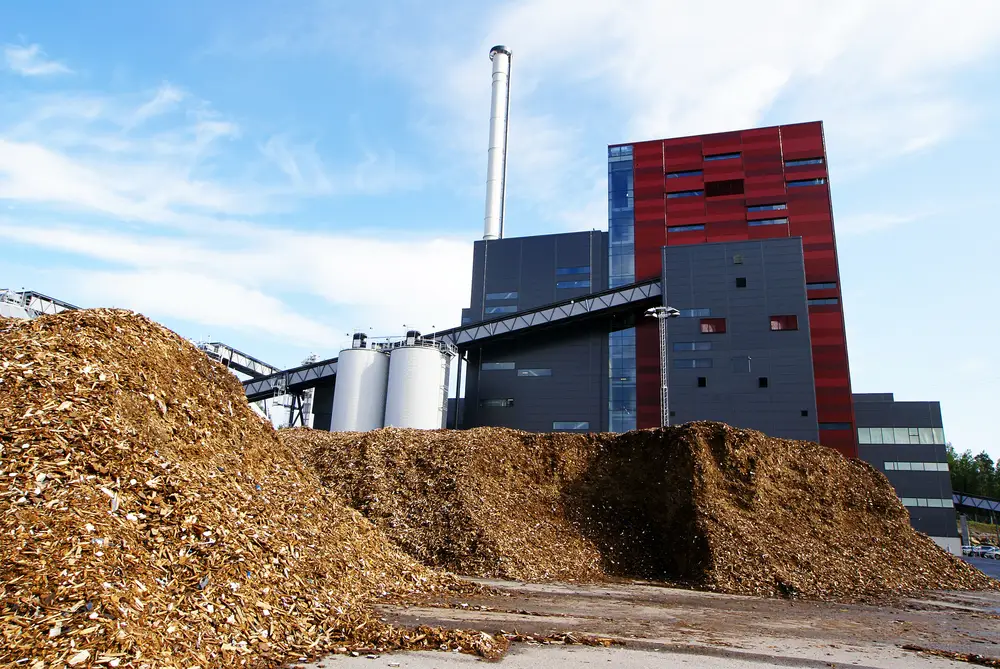
The integration of digital technologies has transformed traditional biomass recovery operations into highly efficient, data-driven processes. Advanced control systems utilize machine learning algorithms to optimize processing parameters in real-time, adapting to varying wood species, moisture content, and density characteristics. These intelligent systems continuously monitor equipment performance, predicting maintenance needs and preventing costly downtime.
Remote monitoring capabilities enable operators to track multiple processing sites simultaneously through centralized dashboard systems. GPS-enabled equipment provides precise location tracking, operational hours logging, and productivity metrics that support informed decision-making. Predictive analytics help forecast equipment performance, optimize scheduling, and identify opportunities for operational improvements.
Automated material handling systems have also revolutionized biomass processing workflows. Conveyor systems with integrated sorting technologies can separate different wood types and sizes automatically, reducing manual labor requirements while improving processing accuracy. These systems work seamlessly with processing equipment to create fully automated production lines that operate efficiently with minimal human intervention.
Environmental benefits and sustainability features of modern equipment
Contemporary biomass recovery equipment prioritizes environmental stewardship through innovative design features that minimize ecological impact. Advanced emission control systems ensure that processing operations meet stringent environmental regulations while maintaining high productivity levels. Efficient combustion technologies in biomass-powered equipment reduce greenhouse gas emissions compared to traditional fossil fuel alternatives.
Noise reduction technologies have become standard features in modern processing equipment, enabling operations in noise-sensitive environments without disturbing nearby communities or wildlife. Enhanced dust control systems protect air quality during processing operations, while advanced filtration technologies capture fine particles that might otherwise become airborne pollutants.
Water conservation features integrated into biomass processing systems minimize water consumption during cleaning and cooling operations. Closed-loop water systems recycle process water, reducing environmental impact while lowering operational costs. Some advanced systems even capture and treat process water for reuse in other applications, further enhancing sustainability credentials.
Economic advantages and market opportunities for biomass recovery
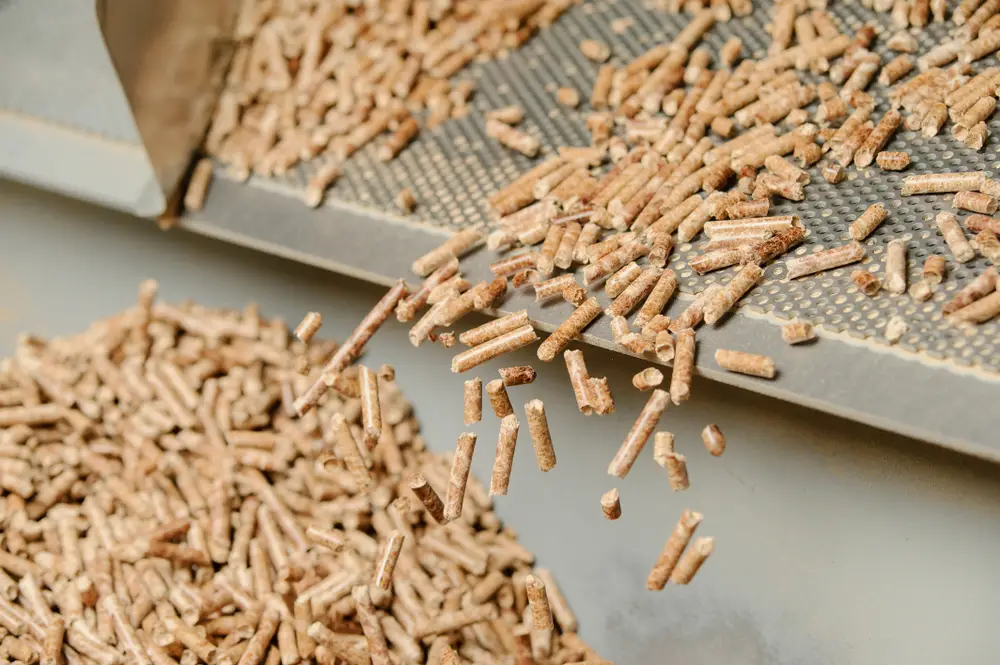
The economic landscape for biomass recovery has expanded significantly with growing demand for renewable energy sources and sustainable materials. Modern processing equipment enables operators to produce biomass products that meet specific quality standards for different markets, from power generation facilities to agricultural applications. This market diversification reduces dependency on single revenue streams and provides greater financial stability.
Improved processing efficiency directly translates to enhanced profitability through reduced operational costs and increased throughput capacity. Advanced equipment designs minimize fuel consumption, reduce maintenance requirements, and extend equipment lifespan, resulting in lower total cost of ownership. These efficiency gains enable competitive pricing while maintaining healthy profit margins.
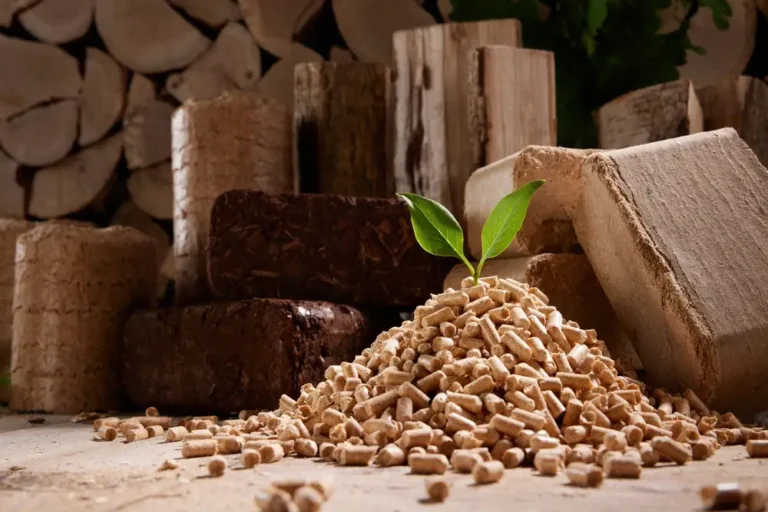
Value-added processing capabilities create opportunities for premium product markets. Equipment that produces specialized biomass products, such as landscape mulch, animal bedding, or biomass pellets, can command higher prices than basic wood chips. Flexible processing systems allow operators to switch between different product configurations based on market demands and pricing opportunities.
Future trends and emerging technologies in biomass recovery
The future of biomass recovery equipment points toward even greater automation, improved efficiency, and enhanced sustainability features. Artificial intelligence integration will enable equipment to learn from operational patterns and continuously optimize performance without human intervention. Advanced sensors and IoT connectivity will provide unprecedented visibility into equipment operation and material characteristics.
Mobile processing units are becoming increasingly sophisticated, with some models featuring hybrid power systems that combine traditional engines with electric motors for improved fuel efficiency and reduced emissions. Modular equipment designs will allow operators to customize processing capabilities based on specific project requirements, maximizing versatility while minimizing capital investment.
Integration with renewable energy systems represents an emerging trend, with some processing equipment designed to operate on biomass-generated electricity or biodiesel produced from processing operations. This closed-loop approach to energy consumption further enhances the sustainability profile of biomass recovery operations while reducing operational costs.
The innovations in biomass recovery equipment are transforming the forestry industry’s approach to waste management and resource utilization. These technological advances create opportunities for increased profitability while supporting environmental sustainability goals. Contact our equipment specialists at Timber Processor Depot to explore how modern biomass recovery solutions can enhance your operations and unlock new revenue potential from wood waste transformation projects.