Selecting the right forestry mulcher can make the difference between a successful land management project and a costly disappointment. With numerous models available on the market, from compact track units to powerful excavator attachments, choosing the perfect equipment requires careful consideration of multiple factors. Whether you’re clearing undergrowth for fire prevention, preparing land for development, or managing forest health, understanding how to evaluate and compare different mulching solutions will ensure optimal productivity and return on investment for your forestry operations.
Understanding your project requirements and terrain conditions
Before diving into equipment specifications, you must thoroughly assess your project’s unique demands. Terrain conditions play a crucial role in mulcher selection, as steep slopes, rocky soil, and wet areas each present different challenges. Projects involving dense hardwood stands require more aggressive cutting systems compared to brush clearing operations, while selective thinning demands precise maneuverability that larger units may not provide.
Consider the vegetation density and type you’ll encounter most frequently. Softwood species like pine and fir process differently than hardwoods such as oak or maple, requiring specific cutting tooth configurations and rotor speeds. Additionally, evaluate the size range of material you’ll be mulching – small brush under 4 inches diameter has vastly different requirements than trees up to 12 inches or larger specimens.
Access limitations often determine equipment size constraints. Narrow gates, overhead power lines, and weight restrictions on bridges or sensitive ground conditions may eliminate certain mulcher categories from consideration. Document these constraints early to avoid investing in equipment that cannot reach your work sites effectively.
Comparing mulcher types and their optimal applications
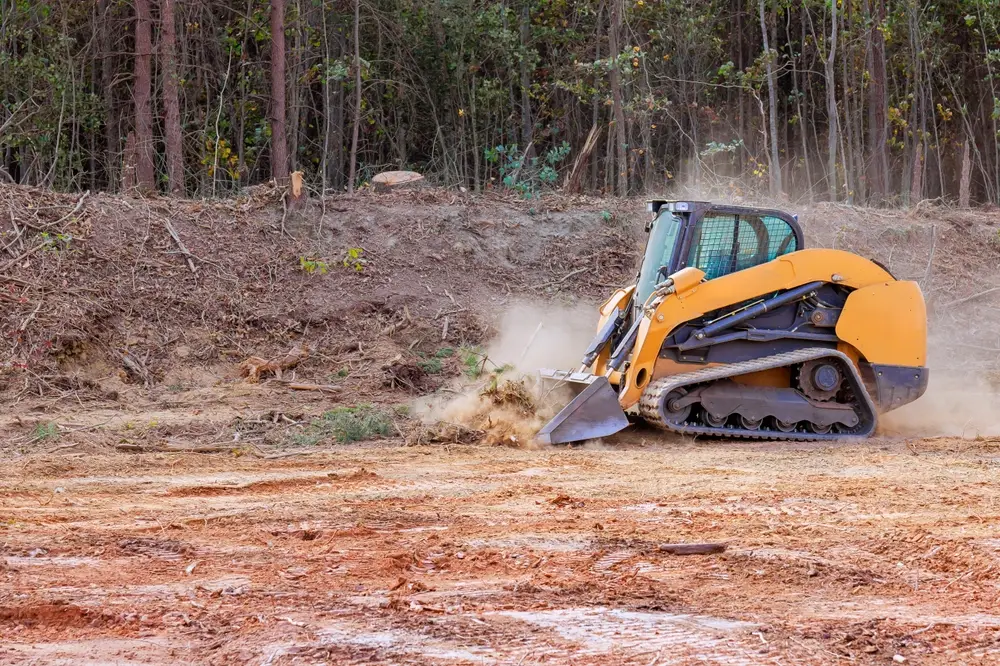
Track unit mulchers offer excellent stability and flotation on soft ground, making them ideal for wetland applications and environmentally sensitive areas. Their dedicated design provides optimal weight distribution and typically includes advanced cooling systems for sustained operation in demanding conditions. However, transport costs between job sites can be significant due to their size and weight.
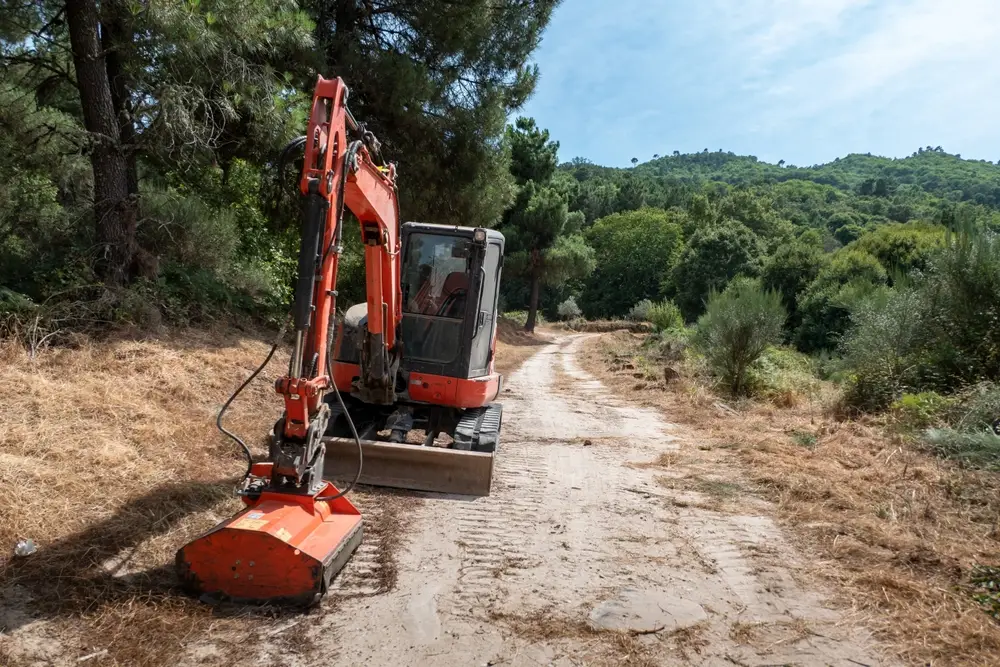
Excavator-mounted mulching heads provide versatility by transforming existing equipment into specialized forestry tools. This option maximizes equipment utilization while offering superior reach and precision for selective clearing work. Hydraulic systems on modern excavators often provide sufficient flow and pressure for effective mulching operations, though older machines may require upgrades.
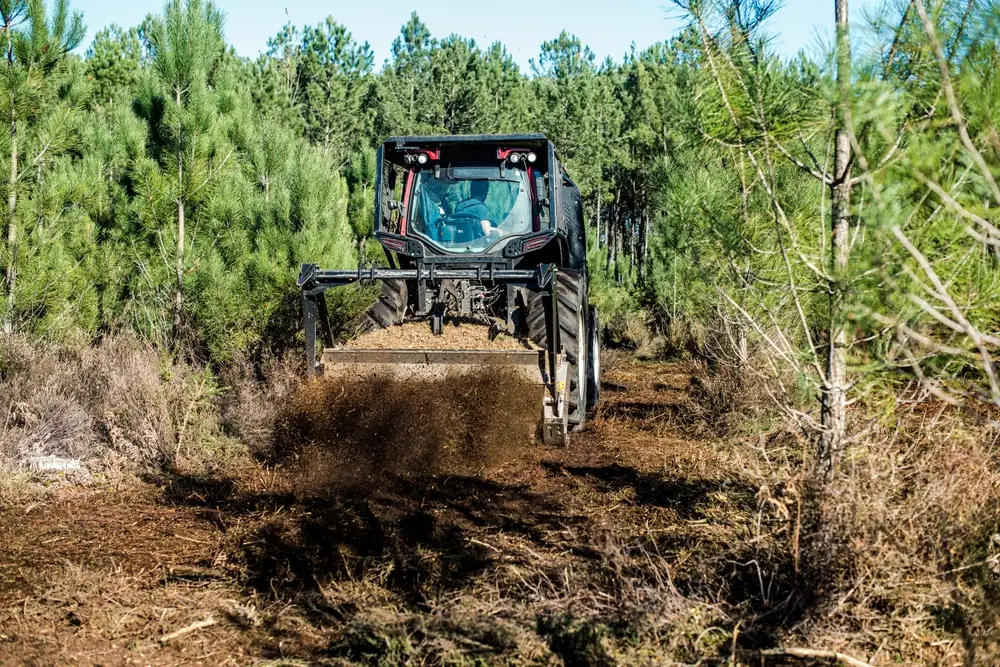
Tractor-mounted mulchers excel in agricultural transitional areas and maintain compatibility with existing farming equipment fleets. These units typically offer lower initial investment costs and simplified maintenance procedures, making them attractive for landowners managing their own properties or contractors serving diverse markets.
Evaluating cutting system technologies
Fixed tooth systems provide aggressive cutting action ideal for high-production clearing but require more frequent maintenance and create coarser mulch. Swing hammer systems offer better protection against hidden obstacles like rocks or metal debris while producing finer mulch that decomposes more rapidly. Combination systems attempt to balance these characteristics but may compromise peak performance in specific applications.
Analyzing power requirements and hydraulic specifications
Matching hydraulic flow and pressure requirements to your carrier machine ensures optimal performance and prevents costly damage. Most mulching heads require between 30-60 GPM flow rates, with pressure requirements ranging from 3,000 to 5,000 PSI depending on cutting system design and material density expectations.
Underpowered operations result in reduced productivity, excessive wear, and potential hydraulic system overheating. Conversely, oversized power plants increase fuel consumption and operating costs without proportional productivity gains. Calculate power requirements based on your typical material mix rather than occasional challenging conditions.
Auxiliary hydraulic circuits on carrier machines must provide consistent flow and pressure under varying engine RPM conditions. Variable displacement pumps with load-sensing capabilities offer superior performance compared to fixed displacement systems, particularly during demanding cutting operations or when operating multiple hydraulic functions simultaneously.
Fuel efficiency and operational economics
Modern forestry mulchers incorporate advanced technologies to optimize fuel consumption while maintaining cutting performance. Features like variable rotor speed control, intelligent hydraulic management, and automated system monitoring contribute to operational efficiency and reduced environmental impact.
Maintenance considerations and long-term ownership costs
Daily maintenance requirements vary significantly between mulcher designs, affecting labor costs and operational availability. Cutting tooth replacement frequency depends on material type, soil conditions, and operator technique, with costs ranging from minor tune-ups to major overhauls requiring specialized tools and expertise.
Access to service support becomes critical during peak operating seasons when downtime directly impacts project profitability. Evaluate dealer networks, parts availability, and factory support programs when comparing different manufacturers. Local service capabilities often outweigh minor performance differences between competing models.
Preventive maintenance programs significantly extend equipment life and reduce unexpected failures. Modern mulchers include sophisticated monitoring systems that track operating hours, hydraulic temperatures, and wear indicators, enabling proactive maintenance scheduling and preventing costly component failures.
Resale value and equipment lifecycle planning
Brand reputation and market demand influence resale values, with established manufacturers typically maintaining stronger secondary markets. Consider your equipment replacement cycle and how technological advances might affect future trade-in values when making initial purchasing decisions.
Making the final selection and maximizing your investment
Demonstration opportunities provide invaluable insights into equipment performance under actual working conditions. Many dealers offer trial programs allowing operators to evaluate multiple units side-by-side, revealing subtle differences in productivity, operator comfort, and maintenance requirements that specifications alone cannot convey.
Financing options and warranty programs vary significantly between manufacturers and dealers, potentially affecting total ownership costs more than initial purchase prices. Extended warranties, maintenance packages, and operator training programs add value while reducing risk during the critical early ownership period.
Consider seasonal demand patterns and project scheduling when timing equipment purchases. Off-season acquisitions often provide better pricing and ensure availability for peak operating periods, while end-of-model-year sales can offer significant savings on current technology.
Selecting the perfect forestry mulcher requires balancing performance requirements, operational constraints, and economic considerations specific to your business model. Success depends on thorough project analysis, honest equipment evaluation, and realistic assessment of your operational capabilities. Contact our forestry equipment specialists today to discuss your specific requirements and explore how the right mulching solution can transform your land management efficiency and profitability.