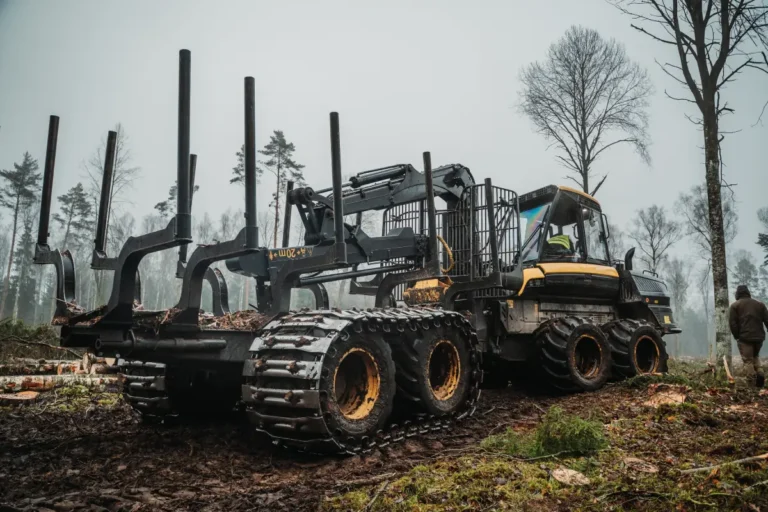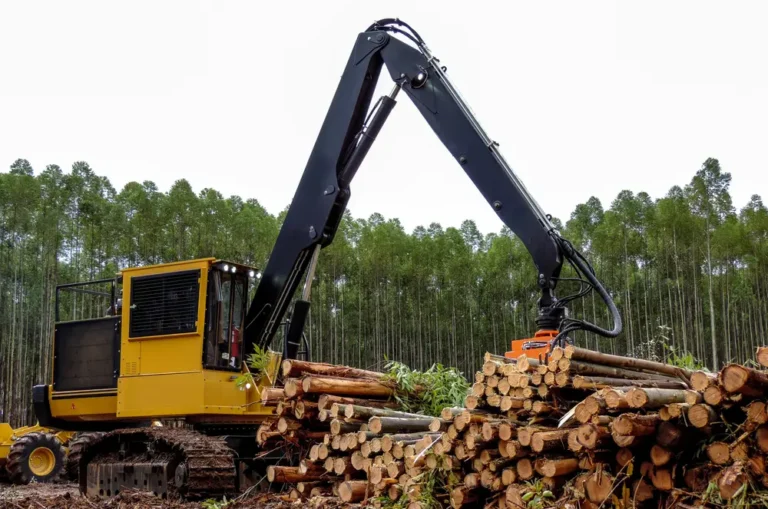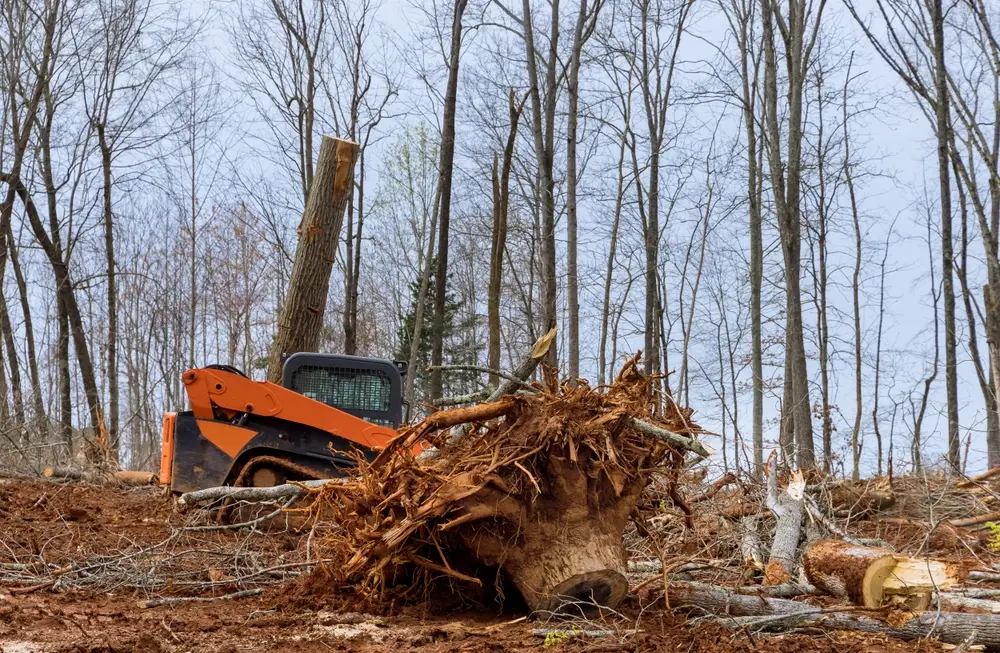
Modern land clearing operations face unprecedented challenges in balancing operational efficiency with environmental stewardship. As sustainable land clearing practices become increasingly critical for regulatory compliance and corporate responsibility, forestry professionals must adopt innovative approaches that protect ecosystems while achieving project objectives. The integration of advanced machinery and methodical planning transforms traditional clearing methods into environmentally conscious solutions that preserve soil integrity, protect wildlife habitats, and maintain watershed functions.
Today’s forestry contractors and landowners recognize that sustainable practices aren’t just environmental imperatives—they’re business necessities that ensure long-term operational viability and community acceptance. By implementing comprehensive strategies that minimize ecological disruption, professionals can achieve superior results while contributing to responsible forest management across diverse landscapes.
Strategic planning fundamentals for sustainable land clearing operations
Effective sustainable land clearing begins with thorough pre-project assessment and strategic planning that considers environmental factors alongside operational requirements. Professional site evaluation identifies sensitive areas, soil conditions, drainage patterns, and wildlife corridors that require special protection during clearing activities.
Environmental impact assessment forms the foundation of responsible clearing operations. This process involves mapping wetlands, identifying endangered species habitats, analyzing soil composition, and documenting existing vegetation communities. Such comprehensive analysis enables contractors to develop clearing plans that minimize disruption while maintaining project timelines and budgets.
Seasonal timing considerations significantly influence clearing success and environmental impact. Planning operations during appropriate weather windows reduces soil compaction, prevents erosion, and minimizes disturbance to wildlife reproduction cycles. Strategic scheduling also optimizes equipment performance and reduces fuel consumption, contributing to both environmental and economic benefits.
Regulatory compliance research ensures all clearing activities meet local, state, and federal requirements. Understanding permit requirements, buffer zone regulations, and restoration obligations prevents costly delays and legal complications while demonstrating commitment to environmental protection standards.
Advanced equipment selection for minimal environmental impact
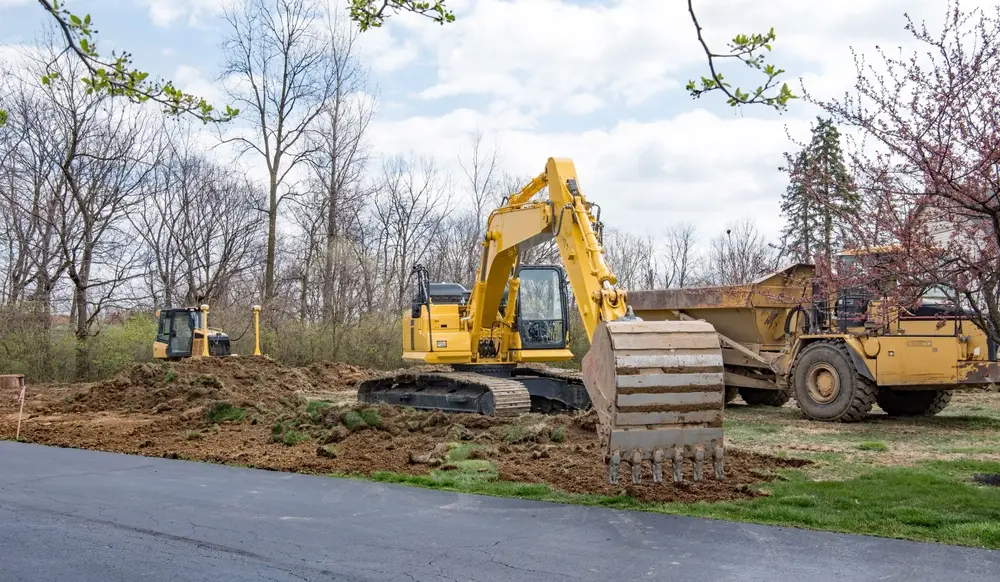
Modern forestry equipment technology enables unprecedented precision in sustainable clearing operations. Low-impact machinery designed specifically for environmentally sensitive applications reduces ground pressure, minimizes soil disturbance, and provides selective clearing capabilities that preserve valuable vegetation.
Mulching equipment represents a revolutionary approach to sustainable land management. These specialized machines process vegetation in place, creating beneficial organic matter that improves soil structure, prevents erosion, and supports ecosystem recovery. Mulching eliminates the need for burning or hauling debris, significantly reducing carbon emissions and operational costs.
Track-mounted equipment offers superior flotation characteristics that distribute weight across larger surface areas, reducing soil compaction and rutting. This technology proves particularly valuable in wetland areas and sensitive soils where traditional wheeled equipment would cause excessive damage.
Precision cutting attachments enable selective removal of target species while preserving desirable vegetation. Advanced cutting heads provide clean cuts that promote healthy regrowth and reduce disease susceptibility in remaining trees and shrubs.
- Rubber track systems minimize ground disturbance compared to steel tracks
- Variable-speed controls optimize fuel efficiency and reduce noise pollution
- GPS guidance systems ensure precise operation within designated boundaries
- Emission-compliant engines meet strict environmental standards
Soil protection and erosion prevention techniques
Soil conservation represents a cornerstone of sustainable land clearing practices, requiring specialized techniques that preserve soil structure and prevent long-term degradation. Protecting topsoil during clearing operations maintains site productivity and supports successful revegetation efforts.
Selective soil preservation involves carefully removing and stockpiling topsoil from areas requiring extensive disturbance. This valuable resource can be redistributed during site restoration to accelerate vegetation establishment and improve long-term site stability. Proper stockpiling techniques prevent soil compaction and preserve beneficial microorganisms essential for plant growth.
Erosion control implementation begins during active clearing operations rather than after project completion. Installing temporary sediment barriers, establishing drainage controls, and maintaining vegetative buffers prevent soil loss and protect adjacent water resources throughout the clearing process.
Matting and stabilization products provide immediate erosion protection on slopes and exposed areas. These materials, often manufactured from recycled content, offer temporary protection while permanent vegetation becomes established. Strategic placement of erosion control materials significantly reduces sediment transport and maintains site stability.
Seasonal moisture management prevents excessive soil disturbance during wet conditions. Operating during appropriate weather windows and implementing drainage improvements reduce soil compaction and rutting that can persist for years after clearing completion.
Wildlife habitat preservation and biodiversity maintenance
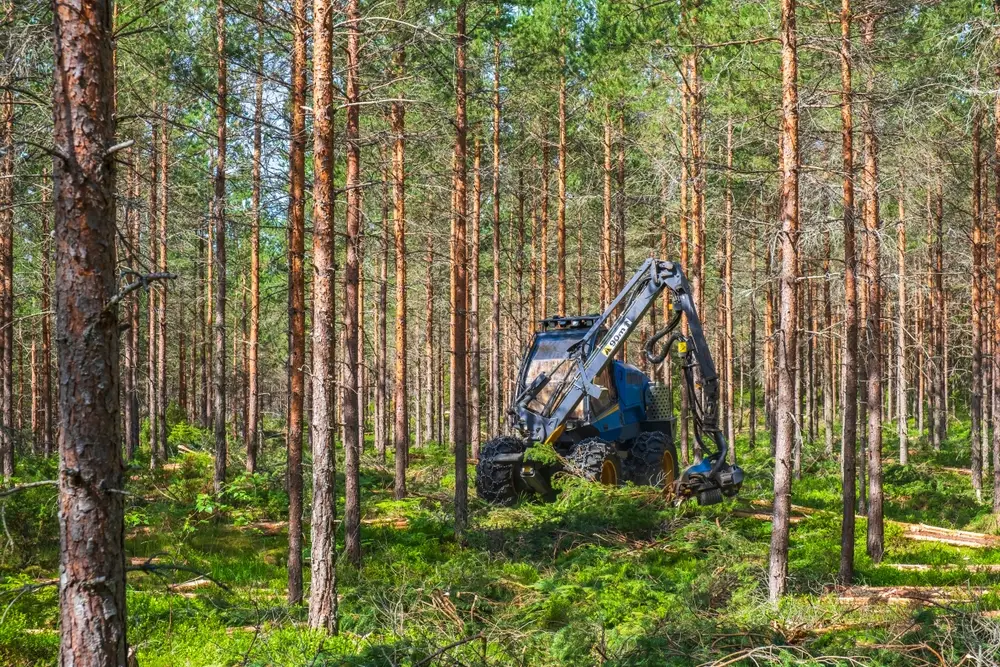
Responsible land clearing incorporates wildlife habitat protection strategies that maintain biodiversity while achieving operational objectives. Understanding local ecosystem dynamics enables contractors to minimize disruption to critical habitat areas and migration corridors.
Buffer zone establishment around sensitive areas provides essential protection for wildlife populations. These preserved areas maintain connectivity between habitat patches, support species movement, and provide refuge during clearing operations. Strategic buffer placement considers species-specific needs and seasonal behavior patterns.
Selective clearing techniques preserve mature trees and diverse vegetation communities that provide essential wildlife resources. Retaining snags, cavity trees, and native understory plants maintains ecosystem structure and supports various species throughout project areas.
Timing restrictions during breeding and nesting seasons prevent disruption to critical wildlife life cycles. Coordinating clearing activities with natural patterns demonstrates environmental stewardship and often satisfies regulatory requirements for wildlife protection.
Native species promotion through selective removal of invasive vegetation improves ecosystem health and biodiversity. Targeting non-native species while preserving indigenous plants creates conditions that support natural ecosystem recovery and long-term habitat quality.
Post-clearing restoration and long-term monitoring
Successful sustainable land clearing extends beyond initial operations to include comprehensive site restoration and monitoring programs. These activities ensure long-term environmental benefits and demonstrate commitment to ecosystem stewardship.
Revegetation planning considers site-specific conditions, intended land use, and native plant communities. Selecting appropriate species for soil conditions, climate, and wildlife requirements ensures successful establishment and long-term sustainability. Native seed mixes often provide superior erosion control and wildlife habitat compared to non-native alternatives.
Soil amendment application addresses compaction and nutrient depletion resulting from clearing operations. Organic matter incorporation, decompaction treatments, and targeted fertilization create conditions that support vigorous plant establishment and ecosystem recovery.
Monitoring protocols track restoration success and identify areas requiring additional attention. Regular assessment of vegetation establishment, erosion control effectiveness, and wildlife return provides valuable feedback for improving future clearing projects.
Adaptive management approaches allow for modifications based on monitoring results and changing conditions. Flexibility in restoration techniques ensures optimal outcomes and demonstrates continuous commitment to environmental improvement.
Sustainable land clearing practices represent the future of responsible forestry operations, combining environmental stewardship with operational efficiency. By implementing these comprehensive strategies, professionals can achieve superior results while contributing to ecosystem health and long-term sustainability. Contact our experts at Timber Processor Depot to discover advanced equipment solutions that support your sustainable land clearing objectives and environmental commitments.